Aug. 12, 2026 · 3 min read
Aug. 12, 2026 · 3 min read
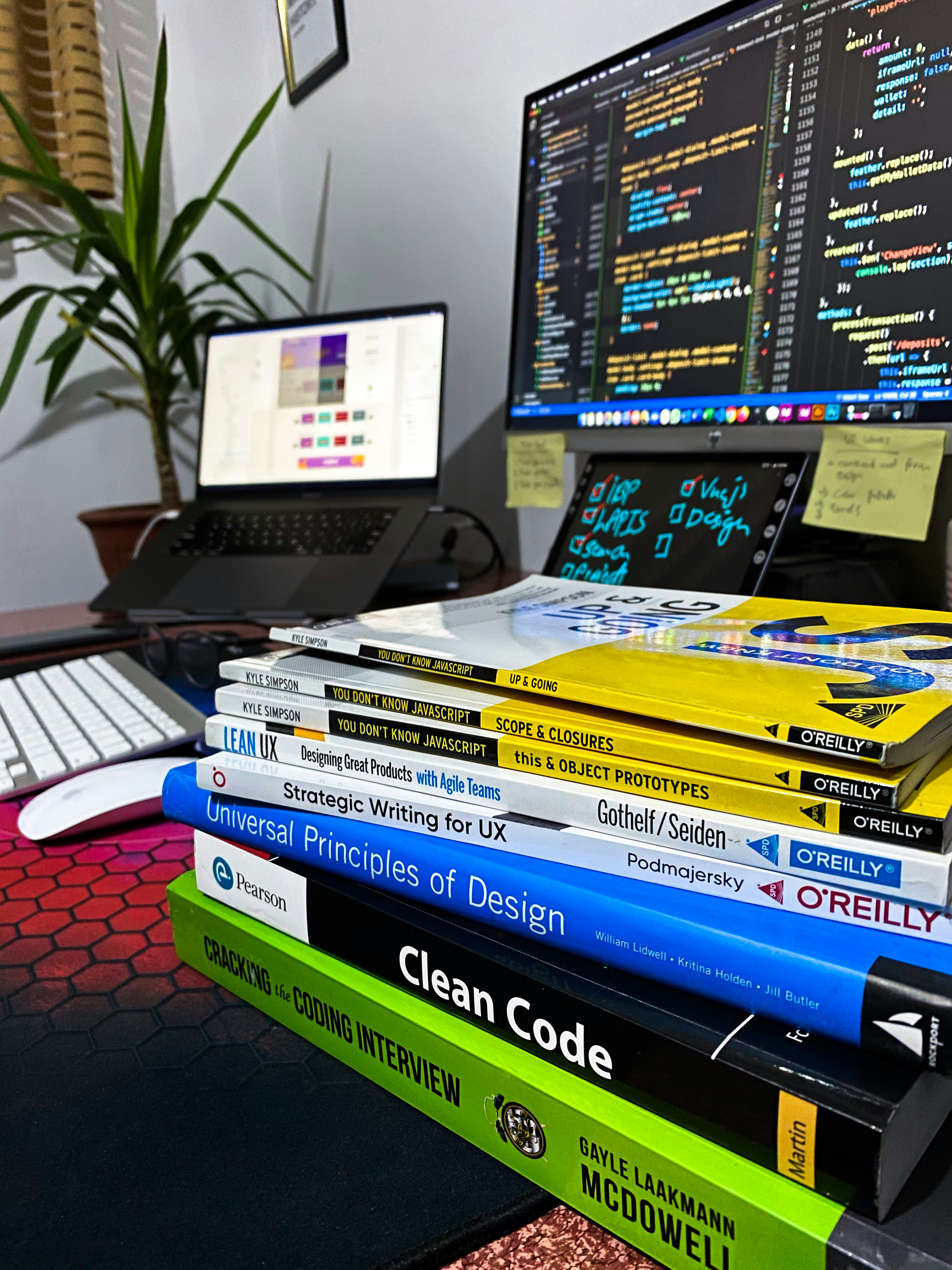
Reading programming or technical books may seem obsolete in 2026, but I think that they still have their value. Especially the ones written before 2023, because it's certain that they weren't written with AI. Some also say that technical books can be quickly out of date, but the core concepts behind programming or computing rarely change. Below I will share a few tips that help me get the most out of the content of technical books.
I think in order to really remember stuff reading simply isn't enough, some practice is always handy. Even if the book doesn't explicitly give any exercises to the reader, I like to copy the code and tinker with it to see the actual code or concept running on my pc. I feel that when reading a technical book without a pc I just forget what I've actually read.
I like to keep the code snippets from books ordered by chapter names. This way a personal reference is built that's easy to quickly look up when actually working with projects. For example when reading the learning python powerful object-oriented programming I've made a directory for each chapter and kept the related code in each. I find it faster to look up stuff there instead of opening the Python reference when checking how to format something with f-strings or how to use the re module.
When first reading about concurrency, threads, etc I had no idea what I was looking at. However, later when I came back to it, this stuff finally clicked. For example there are actual threads in the physical CPU, and then there are the software threads. Firstly I thought they were one and the same, but turns out it's not and multiple software threads run on a single hardware thread. And also like this naming issue made it a bit harder to understand parallelism vs concurrency, locks, semaphores, etc. After those concepts minced in my brain for a while it all became better and I felt like I actually understood what the chapter was saying.